









By Alessandra Ressa
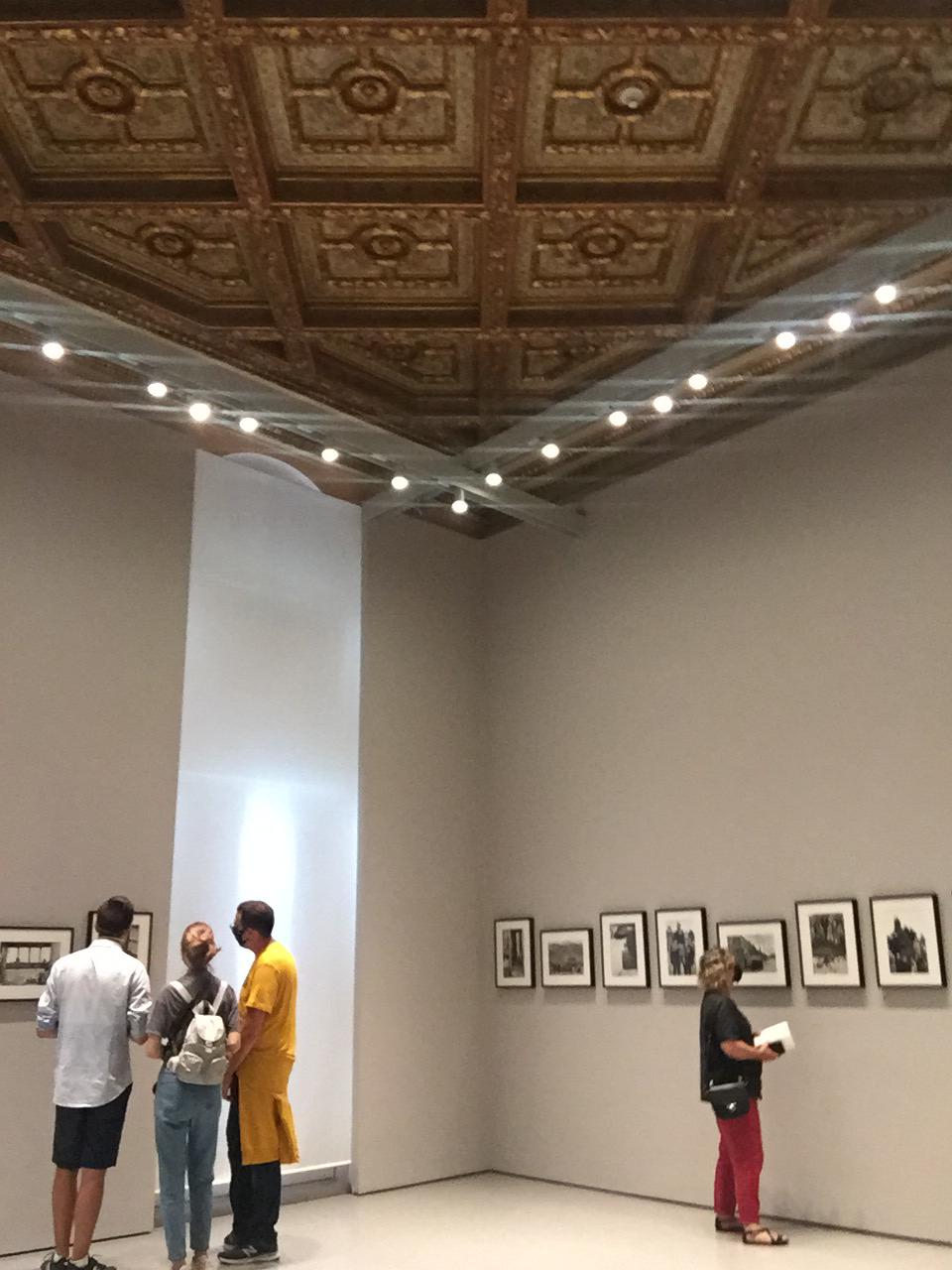
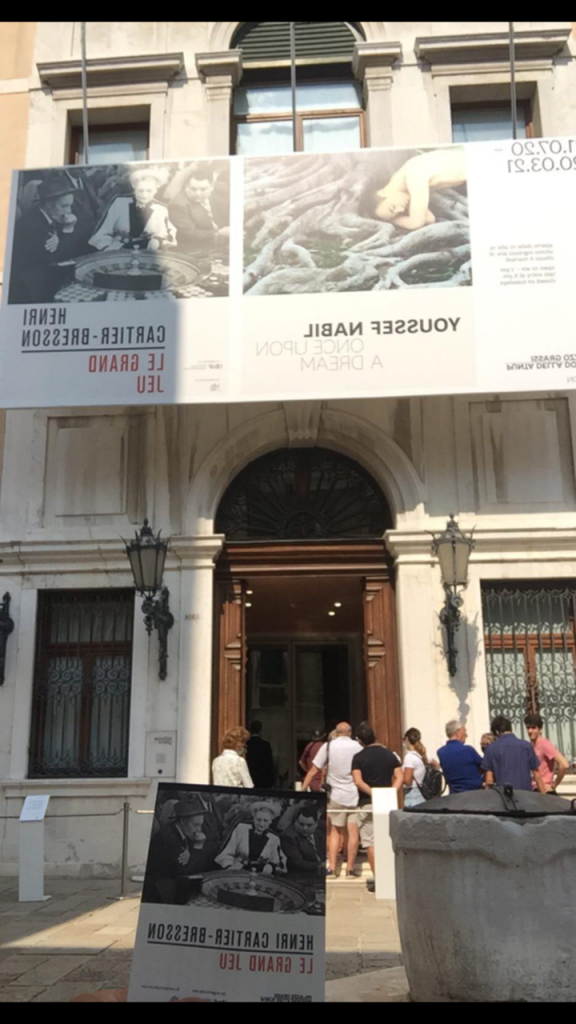
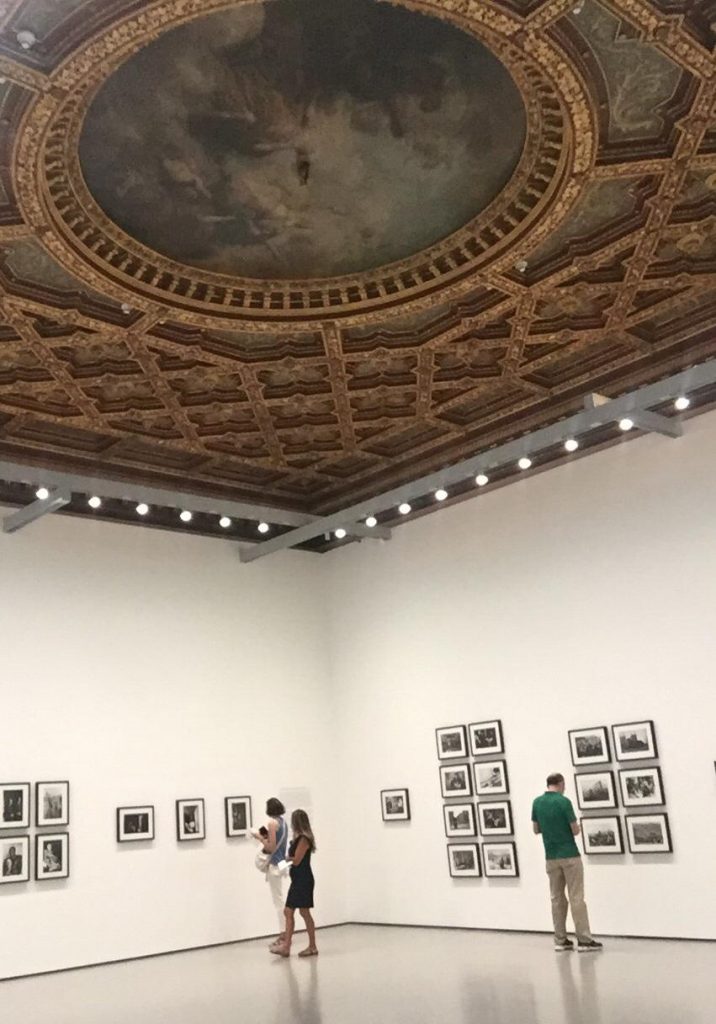
If you are planning a trip to Venice – and why wouldn’t you be – do not miss the Henri Cartier-Bresson exhibit at Palazzo Grassi on the Grand Canal.
The collection of almost 400 pictures that celebrate the talented French artist is a real treat for photography lovers.
Many expositions celebrating the famous photographer have been held around the world and you may have already seen some. Yet, this particular one offers something more ambitious and contemporary than a simple re-showing of archival imagery, because the curator – Matthieu Humery – invited five notable figures to create their own unique interpretations of Cartier-Bresson’s work.
Humery’s co-curators are the billionaire businessman, collector and owner of the museum, François Pinault, photographer Annie Leibovitz, film director Wim Wenders, writer Javier Cercas, and the art historian Sylvie Aubenas. Each curator was instructed to select 50 prints out of the 385 and, then given carte blanche without any concern for chronology or a theme.
Henri Cartier-Bresson was a photographer whose humane, spontaneous photographs helped establish photojournalism as an art form. A pioneer in photojournalism, Cartier-Bresson wandered around the world with his camera, becoming totally immersed in his environment. His images revealed the early raw possibilities of street photography and photojournalism in general. Considered one of the major artists of the 20th century, he covered many of the world biggest events.
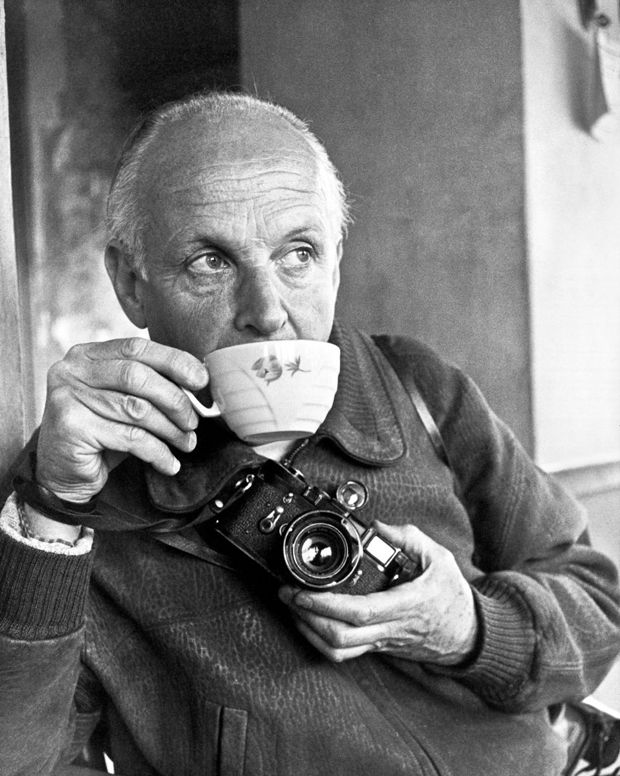
Cartier-Bresson’s rise as a photographer was rapid. By the mid 1930s he’d shown his work in major exhibits in Mexico, New York, and Madrid. However, his own life took a dramatic turn in 1940 following the German invasion of France.
Cartier-Bresson joined the army but was soon captured by German forces and forced into prison-of-war camp for the next three years. In 1943, after two failed attempts, Cartier-Bresson escaped for good and immediately returned to his photography and film work.
He created a photo department for the resistance and following the end of the war, was commissioned by the United States to direct a documentary about the return of French prisoners.
In 1947 he teamed up with Robert Capa, George Rodger, David ‘Chim’ Seymour, and William Vandivert, and founded the Magnum Photos – one of the world’s premier photo agency. Over the course of his long career he hauled his Leica around the world to document and show triumph and tragedy in all its forms.
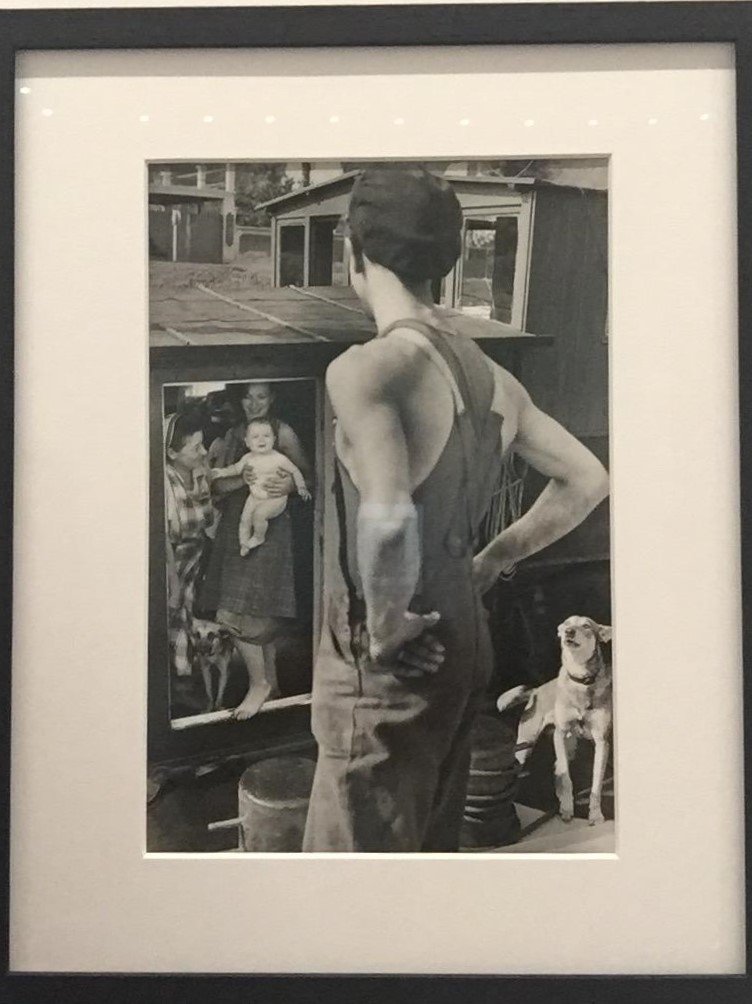
He was there for the Spanish Civil War and the Chinese revolution. He documented George VI’s coronation and told the story of Khrushchev’s Russia. His subjects ranged from Che Guevara to Marilyn Monroe, while his magazine clients ran the gamut, including not just Life, but Harper’s Bazaar, Vogue and many others. He died at his home in Provence on August 3, 2004.
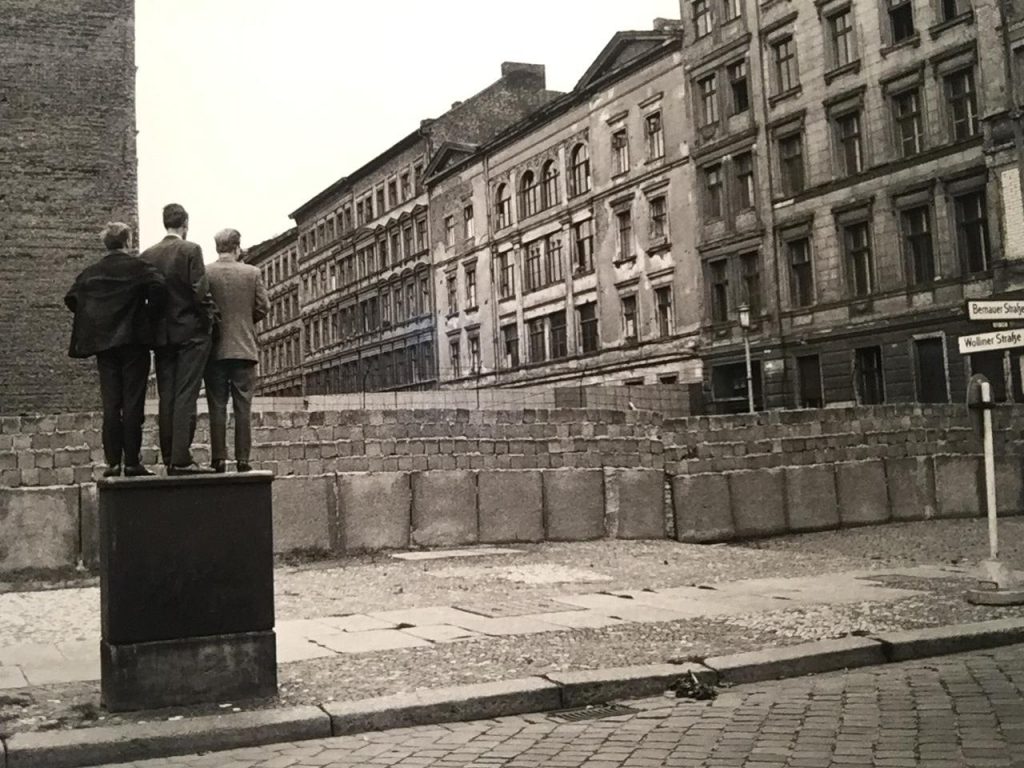
Titled “Le Grand Jeu” and co-organized with the Bibliothèque Nationale de France, in partnership with the Foundation Henri Cartier-Bresson, the exhibit’s opening was delayed until last July due to Covid19. It will remain open until March 20th 2021.